
Most business owners think they need more website traffic.
In reality, they need more customers from the traffic they already have.
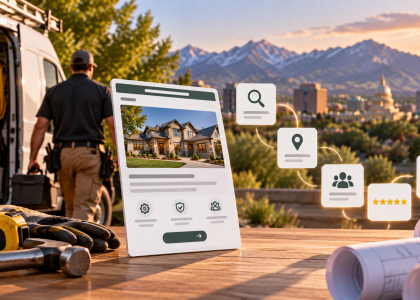
That’s where Boise conversion optimization makes the difference. Instead of spending more on SEO, Google Ads, or social media, conversion optimization focuses on improving your website so more visitors become qualified leads and paying customers.
At Legacy Engine™©, we believe sustainable business growth starts with optimizing what already exists. A high-performing website isn’t just attractive—it works as a revenue-generating system that converts interest into action.
More Traffic Doesn’t Automatically Mean More Revenue
Imagine pouring water into a bucket with a hole in the bottom.
Adding more water won’t solve the problem.
The same principle applies to your website.
If only 1 out of every 100 visitors becomes a customer, increasing traffic simply creates more missed opportunities. Improving your conversion rate, however, can dramatically increase revenue without increasing your marketing budget.
Businesses that optimize first consistently achieve a higher return on every marketing dollar they spend.
Signs Your Website Has a Conversion Problem
Many local businesses unknowingly lose potential customers every day.
Some of the most common warning signs include:
- Low inquiry or quote requests
- High bounce rates
- Slow-loading pages
- Confusing navigation
- Weak calls-to-action
- Generic messaging
- Poor mobile experience
- Few customer reviews or testimonials
Every one of these issues creates friction that causes visitors to leave before taking action.
Build Trust Within Seconds
First impressions happen fast.
When someone lands on your website, they’re immediately asking themselves:
- Can I trust this company?
- Do they understand my needs?
- Why should I choose them?
- What should I do next?
If your website doesn’t answer these questions quickly, visitors often leave for a competitor.
Trust isn’t built with flashy graphics alone. It’s built through clear messaging, professional design, customer proof, and a seamless user experience.
Every Page Should Have One Goal
One of the biggest mistakes businesses make is giving visitors too many choices.
Instead, every page should guide users toward one clear action.
Examples include:
- Request a free quote
- Schedule a consultation
- Call your office
- Book an appointment
- Download a resource
Reducing distractions helps visitors make decisions faster.
Your Message Matters More Than Your Design
A beautiful website won’t grow your business if your message isn’t clear.
Visitors should immediately understand:
- Who you help
- What problem you solve
- Why you’re different
- What happens next
Strong messaging eliminates confusion and gives potential customers confidence to move forward.
Social Proof Builds Confidence
People trust other customers.
That’s why every business should prominently display:
- Google Reviews
- Client testimonials
- Before-and-after results
- Case studies
- Industry certifications
- Awards and recognitions
These trust signals reduce uncertainty and encourage visitors to take the next step.
Speed Is a Competitive Advantage
Website performance directly impacts conversions.
A slow website frustrates users and increases bounce rates.
Focus on improving:
- Page loading speed
- Mobile responsiveness
- Image optimization
- Core Web Vitals
- Navigation simplicity
A faster website creates a better user experience while also supporting stronger SEO performance.
Measure What Actually Matters
Successful businesses don’t rely on assumptions.
They monitor key performance indicators such as:
- Conversion rate
- Form submissions
- Phone calls
- Appointment bookings
- Cost per lead
- Customer acquisition cost
Tracking the right metrics allows you to identify opportunities for continuous improvement.
Conversion Optimization Never Stops
The highest-performing companies continually test and refine their websites.
Small improvements can have a significant impact over time.
Examples include:
- Testing different headlines
- Improving call-to-action buttons
- Simplifying contact forms
- Updating page layouts
- Refining marketing copy
Consistent optimization creates long-term growth that compounds year after year.
Why Conversion Optimization Matters for Boise Businesses
Boise’s business community continues to grow, making competition stronger than ever.
Standing out requires more than simply attracting visitors—you need to convert them.
Businesses that invest in conversion optimization often see:
- Higher-quality leads
- Lower customer acquisition costs
- Better marketing ROI
- Increased revenue
- Stronger customer trust
Instead of constantly increasing advertising budgets, optimize your existing digital assets to work harder for your business.
Final Thoughts
More traffic isn’t always the answer.
Better conversions are.
When your website communicates clearly, builds trust, removes friction, and guides visitors toward action, every marketing channel becomes more effective.
At Legacy Engine™©, we help businesses build websites, marketing systems, and automation strategies designed to generate measurable business growth—not just website traffic.
Ready to turn more visitors into paying customers?
👉 Contact Us today to schedule a strategy session and discover how conversion optimization can help your business maximize every visitor.
Frequently Asked Questions
What is conversion optimization?
Conversion optimization is the process of improving your website so a higher percentage of visitors become leads or customers.
Why is conversion optimization important?
It helps businesses generate more revenue without increasing advertising costs by making existing traffic more effective.
How can I improve my website’s conversion rate?
Focus on faster page speeds, clear messaging, compelling calls-to-action, trust signals, and a simple user experience.
Does SEO increase conversions?
SEO brings qualified visitors to your website, while conversion optimization helps turn those visitors into customers. Both strategies work best together.
How often should a website be optimized?
Conversion optimization should be an ongoing process. Regular testing and improvements help businesses stay competitive and maximize long-term growth.