
In today’s saturated digital space, mastering Boise eCommerce SEO isn’t optional — it’s your competitive edge. The right keyword strategy doesn’t just bring traffic; it brings buyers. Boise business owners, if you’re tired of guessing what works, it’s time to use a structured, scalable method that turns clicks into revenue — powered by Legacy Engine™©.
Why Keyword Research Still Reigns Supreme
Most eCommerce sites fail not because of poor products — but because no one finds them. The root? Weak keyword research.
A strong keyword foundation means:
- Higher visibility on Google
- Attracting buyers at different stages of their journey
- Less reliance on paid ads
- Long-term, compounding ROI
Pro Tip: Good keywords = qualified traffic = more conversions. Period.
Step 1: Understand Buyer Intent First
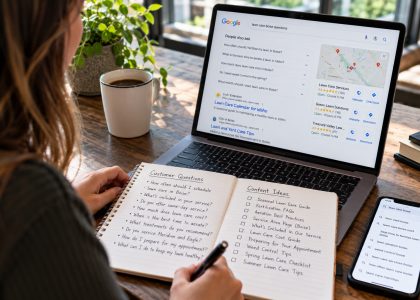
Before you touch a keyword tool, ask: What is my customer actually searching for?
There are 3 core types of buyer intent:
- Informational: “What is the best hiking backpack?”
- Navigational: “REI hiking backpacks”
- Transactional: “Buy waterproof hiking backpack Boise”
You want to target all three — but transactional keywords should be your priority.
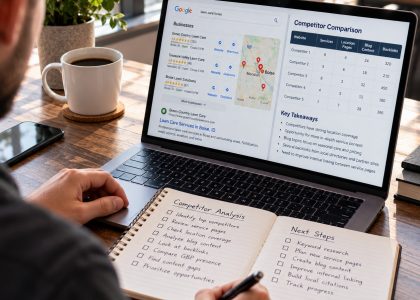
Step 2: Spy On Your Competitors (Legally)
No need to guess. Your competitors are doing the work for you.
Use tools like:
- Ahrefs
- SEMrush
- Ubersuggest
Identify what keywords your competitors rank for — then find gaps you can own.
Look for:
- Underserved product categories
- Outdated content you can beat
- Keywords with traffic but low competition
Step 3: Choose the Right Tools (and Use Them Well)
Here’s your tech stack for smart keyword research:
- Google Keyword Planner (free, but limited)
- Ahrefs / SEMrush (premium, powerful)
- AnswerThePublic (great for questions and pain-point SEO)
- Google Search Console (shows what you’re already ranking for)
Important: Don’t just chase volume — match keywords to buying intent and product fit.
Step 4: Prioritize Based on Revenue Potential
Not all keywords are equal. Ask yourself:
- Will this keyword attract someone ready to buy?
- Can I realistically rank for it?
- Does it align with my brand and offer?
Focus on keywords that drive revenue, not just rankings.
Step 5: Localize When It Matters
If you’re selling or shipping in Boise, local SEO is your secret weapon.
Examples of localized eCommerce keywords:
- “Buy outdoor gear Boise”
- “Boise running shoes store”
- “Best hiking gear Idaho”
This also boosts visibility in Google’s local pack and map results.
Step 6: Map Keywords to Pages (Don’t Cannibalize!)
Each keyword should have a dedicated page — don’t spread one term across five URLs.
Best Practices:
- Homepage = brand terms
- Category pages = broad keywords
- Product pages = specific, transactional keywords
- Blog = long-tail and informational keywords
Internal linking from blog to product/category pages is a must.
Step 7: Optimize and Track Everything
Once your pages are mapped:
- Write high-quality, keyword-rich content
- Use keywords in titles, URLs, H1s, and meta descriptions
- Monitor results monthly using Google Analytics + Search Console
If a keyword isn’t converting — replace it or revise the content.
Common Keyword Research Mistakes (and How to Avoid Them)
- Chasing volume, ignoring intent
- Using the same keyword on multiple pages
- Failing to localize
- Not tracking performance
Boise business owners — this isn’t optional. Keyword strategy is your revenue engine.
Need Help Turning Traffic Into Profit?
Whether you’re launching an online store or scaling an existing one, Legacy Engine™© helps you dominate Boise search results with precision.
Let’s build a keyword system that compounds — not guesswork.
Contact Us to turn your Boise eCommerce SEO into a sales engine.
FAQs About eCommerce Keyword Research
What is the best tool for eCommerce keyword research?
Ahrefs and SEMrush are excellent for deep, competitive analysis. Google Keyword Planner is a free option for starters.
How do I choose keywords that actually convert?
Focus on transactional keywords with buyer intent. Prioritize those aligned with your product and audience.
How many keywords should I target per page?
One primary keyword, with 2–3 supporting long-tail variations, is ideal.
Is local SEO important for eCommerce stores?
Absolutely — especially if you ship locally or have a physical presence. Boise-specific keywords can boost conversions.
How often should I update my keyword strategy?
Review quarterly. Markets shift. Competitors adjust. Your keywords must evolve too.